Brown Water in Cities
Urban Water Infrastructure in Major Cities Like New York and Its Impact on Water Quality
Large cities such as New York rely on some of the most complex and extensive water infrastructure systems in the world. These systems include underground water mains, distribution pipelines, pumping stations, and building-level plumbing networks that together deliver water to millions of residents every single day. While this infrastructure is designed for long-term performance, much of it was built decades ago, meaning large portions are now aging and require ongoing maintenance and upgrades.
In cities like New York, water travels through a mix of modern and older pipelines before reaching homes and apartments. Some sections of the system have been in operation for many years, especially in densely populated boroughs such as Manhattan, Brooklyn, and Queens. Over time, these older pipes may develop internal corrosion, mineral buildup, and sediment accumulation. When disturbances occur due to repairs, construction, or pressure changes, these deposits can temporarily affect water clarity and appearance.
Water infrastructure in major cities is also constantly exposed to heavy demand. Millions of households, commercial buildings, and public facilities rely on the same interconnected system. This high usage can create pressure fluctuations that sometimes disturb particles resting inside pipes. In certain cases, residents may notice temporary changes in water color, including brown or cloudy water, which can be linked to sediment movement within the system.
Nearby urban regions such as Jersey City, Hoboken, and other Hudson County communities also depend on similar aging infrastructure networks. These systems face comparable challenges, especially in older residential neighborhoods where plumbing materials have not been fully updated. Infrastructure maintenance activities, such as water main repairs or hydrant flushing, are necessary to keep the system functioning properly, but they can also temporarily release trapped particles into the water supply.
Understanding how large city water infrastructure operates helps residents better interpret temporary water quality changes and recognize that such events are often linked to system maintenance, aging pipes, or natural sediment movement within long-established urban water networks.
Why Brown Water Events Occur in Brooklyn and Queens Neighborhoods
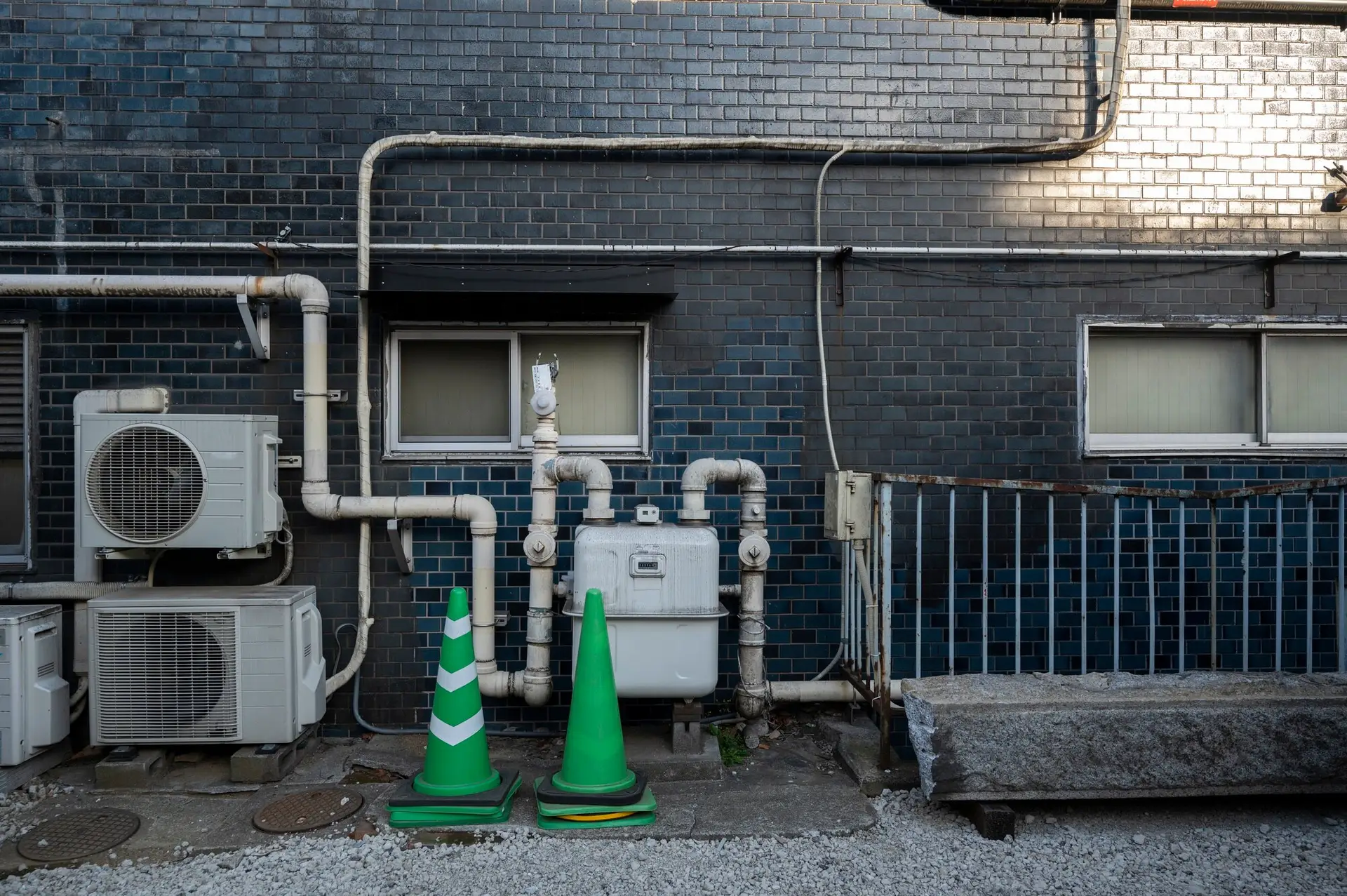
Brown water events are occasionally reported in Brooklyn and Queens, especially in areas where residential buildings and underground water infrastructure have been in use for many decades. While the appearance of discolored water can be alarming for residents, it is usually linked to changes or disturbances within plumbing systems or municipal water mains rather than a single isolated cause.
In many neighborhoods across Brooklyn and Queens, a mix of older apartment buildings, historic brownstones, and mid-century housing creates a complex plumbing environment. Over time, pipes inside these buildings can develop corrosion, rust buildup, and mineral deposits. When water pressure changes occur or plumbing systems are disturbed during maintenance, these accumulated particles can break loose and flow through taps, resulting in brown, yellow, or cloudy water.
Municipal water infrastructure can also play a role. Water main repairs, hydrant flushing, and construction activity in surrounding areas may disturb sediment that has settled inside underground pipes. Once this sediment is stirred up, it can temporarily affect multiple homes or entire blocks, leading to short-term discoloration events.
Residents in Brooklyn and Queens often notice that brown water appears suddenly and may clear after running the tap for a few minutes. However, repeated occurrences can cause concern and lead people to investigate whether the issue is coming from the building plumbing system or the city water supply network.
These events are more noticeable in older neighborhoods because aging infrastructure is more prone to sediment buildup and corrosion over time. As a result, even routine maintenance or minor pressure fluctuations can trigger visible changes in water color.
Understanding these factors helps residents interpret brown water events more accurately and reduces unnecessary concern, while also highlighting when further plumbing inspection or infrastructure evaluation may be needed.
How Infrastructure Disturbances Affect Water Quality in Jersey City, Hoboken, and Hudson County Communities
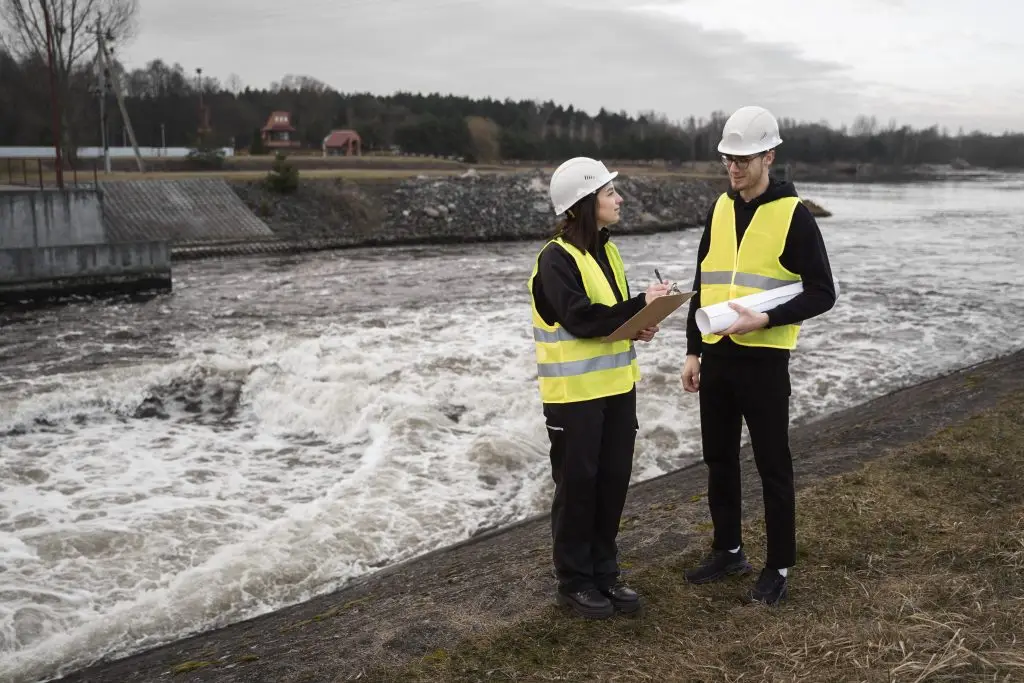
Infrastructure disturbances in urban areas like Jersey City, Hoboken, and broader Hudson County can have a direct impact on residential water quality, especially in older neighborhoods with aging underground systems. These disturbances often occur due to water main repairs, pipeline replacements, construction activity, hydrant flushing, or sudden pressure changes within the distribution network. When these events take place, sediment and mineral deposits that have been sitting undisturbed inside pipes for years can become loosened and temporarily enter the water supply.
Residents in these communities may notice sudden changes in water appearance, including brown, yellow, or cloudy tap water. This discoloration is usually caused by rust particles, iron deposits, or accumulated sediment moving through the system after a disturbance. Although the water may still meet safety standards in many cases, the visible change can be alarming and often leads residents to question whether the issue is coming from the municipal system or their building’s internal plumbing.
Older infrastructure in parts of Hudson County increases the likelihood of these temporary water quality events. Many residential buildings and underground water lines have been in service for decades, meaning corrosion and mineral buildup are more common. When maintenance work or emergency repairs occur, the balance inside these systems can be disrupted, causing particles to flow into connected neighborhoods.
In some cases, the issue may be widespread, affecting multiple buildings or blocks at the same time. In other cases, the problem may be isolated to a single property where internal plumbing conditions contribute to the discoloration. This uncertainty often leads residents to closely monitor water appearance and compare conditions with neighboring homes.
Understanding how infrastructure disturbances influence water systems helps residents better interpret temporary discoloration events and identify whether the issue is likely related to municipal work or internal plumbing conditions.

How Building Plumbing Systems Affect the Appearance of Tap Water
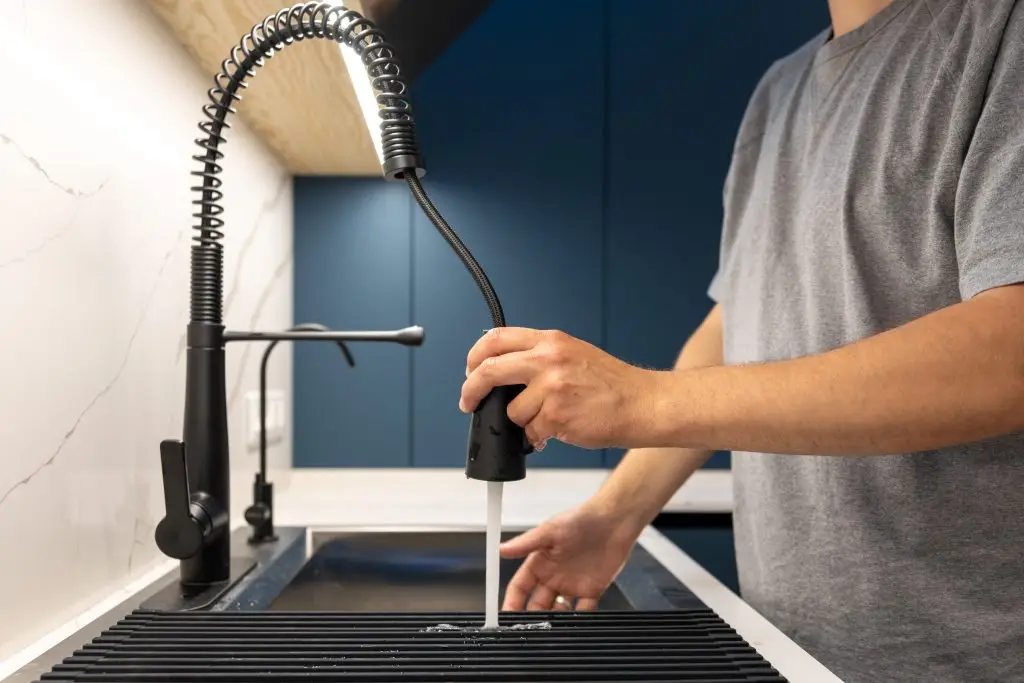
The appearance of tap water is not determined only by the municipal supply but also by the internal plumbing system of the building itself. In many residential properties, especially older apartments, brown or discolored water can be directly influenced by the condition, age, and materials used inside the building’s plumbing network.
Inside a building, water travels through a complex system of pipes, valves, storage lines, and fittings before reaching the faucet. Over time, these internal components naturally undergo wear and tear. Metal pipes, especially galvanized steel or iron-based materials commonly found in older residential buildings, begin to corrode. As corrosion develops, rust particles can form along the interior walls of the pipes. When water pressure changes or usage increases suddenly, these particles can break loose and mix with flowing water, causing a brown, orange, or cloudy appearance.
Another important factor is sediment buildup inside the building’s plumbing system. Even when municipal water is clean, small mineral particles can gradually settle inside pipes over many years. In multi-story buildings, pressure fluctuations caused by pumps, repairs, or high demand during peak hours can disturb these deposits. Once disturbed, they move through the system and become visible at taps, showers, or appliances.
Older residential buildings are especially prone to this issue because their plumbing systems may not have been fully replaced for decades. Historic brownstones, prewar apartments, and aging complexes often rely on outdated pipe networks that naturally accumulate corrosion and mineral deposits over time.
Building plumbing systems can also amplify temporary issues originating from the municipal supply. Even minor disturbances in the city water mains may appear more noticeable inside older internal systems due to existing buildup.
For residents, this means that water appearance is not always a reflection of water safety alone but often a combination of municipal conditions and internal plumbing health. Understanding this connection helps identify whether the issue is temporary or related to long-term infrastructure maintenance needs.