Why Tap Water Turns Brown
How Rust Particles From Aging Plumbing Pipes Can Cause Brown Tap Water
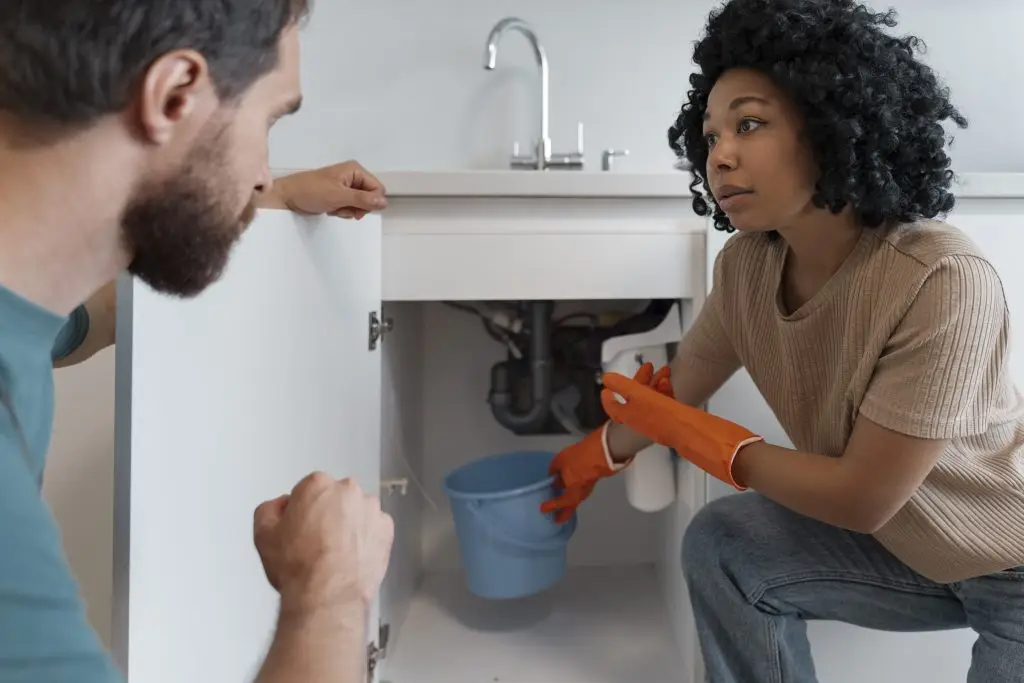
Rust particles released from aging plumbing pipes are one of the most common causes of brown tap water in residential buildings and apartments. Over time, older plumbing systems gradually deteriorate as metal pipes remain exposed to water, oxygen, and mineral content for many years. This process causes internal corrosion to develop inside pipes, leading to the formation of rust deposits that may eventually break loose and enter the water supply.\n\nMany historic residential buildings throughout Manhattan, Brooklyn, Queens, and nearby New Jersey communities still rely on older plumbing materials such as galvanized steel or cast iron pipes. These aging systems are more vulnerable to corrosion because decades of continuous water flow slowly weaken the internal pipe surfaces. As rust accumulates inside the plumbing network, particles may become suspended in the water whenever pressure changes, plumbing repairs, or infrastructure disturbances occur.\n\nResidents often notice brown, reddish, orange, or cloudy water appearing suddenly from faucets, showers, sinks, or household appliances. In some cases, discoloration becomes more noticeable after water has remained stagnant inside pipes overnight or during periods of low usage. Running the water may temporarily reduce discoloration, but recurring brown water can sometimes indicate ongoing plumbing deterioration.\n\nRust particles inside plumbing systems may also contribute to metallic odors, unusual taste changes, visible sediment, and staining on bathtubs, sinks, laundry, and fixtures. Older apartment buildings and brownstones frequently experience these conditions because aging infrastructure naturally becomes more susceptible to corrosion over time.\n\nUnderstanding how rust develops inside plumbing systems helps residents better recognize why brown tap water may occur and why older buildings often experience recurring water discoloration concerns.
How Sediment Disturbances Inside Municipal Water Mains Affect Tap Water Quality
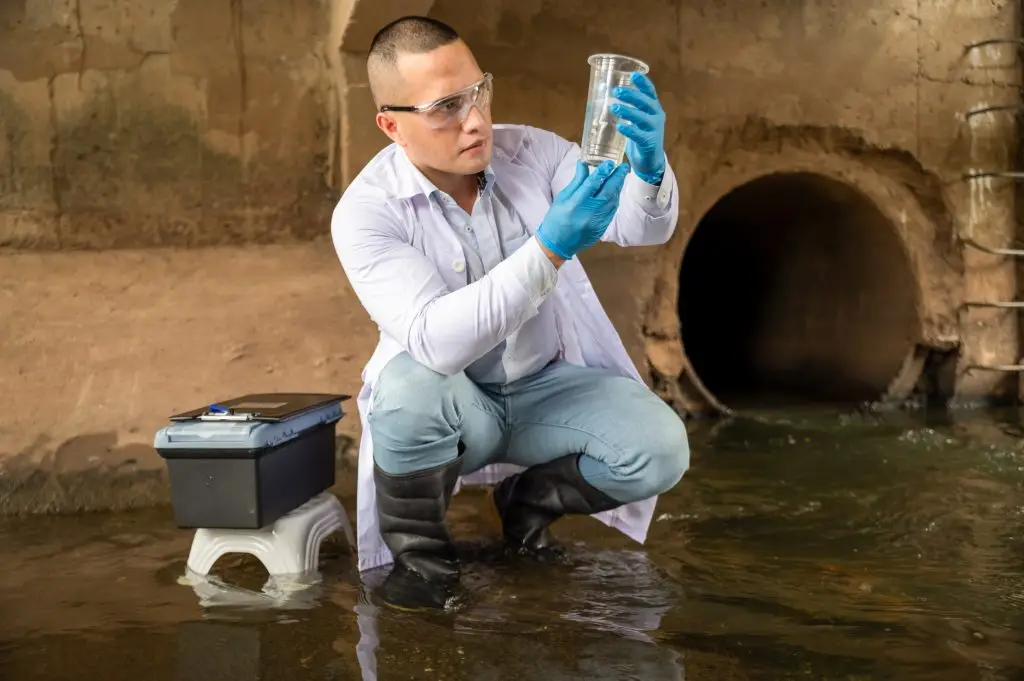
Sediment disturbances inside municipal water mains are one of the most common yet least understood causes of temporary water discoloration in residential areas. Municipal water systems are designed to carry large volumes of treated water through underground pipelines that span entire cities. Over time, natural minerals, rust particles, and fine sediment gradually settle inside these water mains. Under normal conditions, these deposits remain stable and do not affect water quality. However, when the system is disturbed, these particles can become suspended in the water flow and reach homes and apartments through taps and fixtures.
One of the most common triggers for sediment disturbance is maintenance work on water mains. When city crews repair broken pipes, replace sections of aging infrastructure, or install new connections, the change in pressure can dislodge accumulated debris inside the system. This can result in temporary brown, yellow, or cloudy water appearing in nearby neighborhoods. Hydrant flushing is another major cause. While flushing is used to clean and maintain the system, it can temporarily stir up sediment that has built up over years inside older pipelines.
In large cities with aging infrastructure, such as areas with long-established residential neighborhoods, sediment buildup is more common due to decades of continuous use. Older water mains often contain layers of mineral deposits and corrosion byproducts that slowly accumulate over time. When these layers are disturbed, even slightly, they can spread through the water distribution system and affect multiple buildings at once.
Although sediment-related discoloration is often temporary and not necessarily harmful, it can be alarming for residents who are not aware of the cause. Many people assume the issue is inside their home plumbing, but in many cases it originates from the broader municipal network. Understanding how sediment disturbances occur helps residents better interpret sudden changes in water appearance and decide when further investigation or professional inspection may be needed.
How Iron and Mineral Deposits Affect Tap Water Color and Quality
Iron and mineral deposits are one of the most common yet often overlooked reasons behind changes in tap water color. In many homes and apartment buildings, especially older ones, water may carry naturally occurring minerals like iron, manganese, and calcium as it moves through underground pipes and internal plumbing systems. Over time, these minerals can build up inside pipes and create layers of deposits along the inner walls.
When plumbing systems are disturbed, these deposits can break loose and mix into the flowing water. This is when residents often notice sudden changes in water appearance, such as brown, yellow, orange, or cloudy water coming from faucets. Iron is especially responsible for reddish brown discoloration because it oxidizes when exposed to air and water, forming rust like particles that are visible even in small amounts.
Older buildings are more vulnerable to this issue because their plumbing systems often include aging metal pipes that have been in use for decades. In such systems, mineral buildup is more likely to accumulate gradually without being noticed. When water pressure changes occur, such as after maintenance work, repairs, or increased demand in the building, these deposits can get disturbed and travel through household plumbing lines.
In many urban areas, including dense residential neighborhoods, mineral rich water combined with aging infrastructure increases the chances of temporary discoloration. Residents may also notice additional signs such as slight metallic taste, staining in sinks or bathtubs, or cloudy water appearance.
Although iron and mineral deposits are not always harmful in small amounts, they can indicate long term plumbing wear or aging infrastructure. Understanding this issue helps homeowners and tenants identify whether the problem is temporary or linked to deeper plumbing conditions that may require inspection or maintenance.
How Plumbing Work and Hydrant Flushing Disturb Deposits in Water Systems
Plumbing work and hydrant flushing are two common activities that can temporarily affect the appearance of tap water in residential buildings and urban neighborhoods. While these processes are essential for maintaining safe and functional water systems, they can sometimes disturb accumulated deposits inside pipes, leading to visible changes in water color, including brown, orange, or cloudy water.
Inside both municipal water mains and building plumbing systems, small particles such as rust, sediment, and mineral buildup gradually settle over time. These deposits often remain stable when water flow is consistent. However, when plumbing repairs, pipe replacements, or maintenance work is carried out, the normal flow of water can be disrupted. This disruption can loosen these settled particles and cause them to move through the system.
Hydrant flushing is another routine maintenance process used by city water departments to clean and test water infrastructure. During flushing, large volumes of water are released through fire hydrants to remove sediment buildup and improve water circulation in the system. Although this helps maintain water quality in the long term, it can temporarily stir up deposits inside underground pipes, affecting nearby homes and apartment buildings.
In older cities with aging infrastructure, such as areas across Manhattan, Brooklyn, Queens, and nearby New Jersey communities, these events are more noticeable due to long-term sediment accumulation and corrosion inside older pipelines. Residents may suddenly observe discolored water coming from faucets after nearby maintenance work or street-level water system activity.
In most cases, this brown or discolored water is temporary and clears once the disturbed particles are flushed out of the system. However, repeated or long-lasting discoloration may indicate deeper issues within the plumbing or infrastructure that may require further inspection.
Understanding how plumbing work and hydrant flushing affect water systems helps residents better interpret temporary changes in water quality and distinguish between maintenance-related events and potential plumbing concerns.